• Apr 22, 2025

The World's Population: A Comprehensive Overview of How Many People Are on Our Planet

The world in 2025....... by Hollie De Landre on Prezi
As of 2023, the world's population has reached a staggering 7.9 billion people, according to the United Nations Department of Economic and Social Affairs. This number is expected to continue growing, albeit at a slower rate, and is projected to reach 9.7 billion by 2050 and 11.2 billion by 2100. But have you ever wondered how many people are in the world and how this number has changed over time? In this article, we'll delve into the fascinating world of demographics and explore the latest statistics on the global population.
World Population Day: What will the world look like inโ€ฆ
How Many People Are On The World 2025 - Jorie Malinda

A Brief History of Population Growth

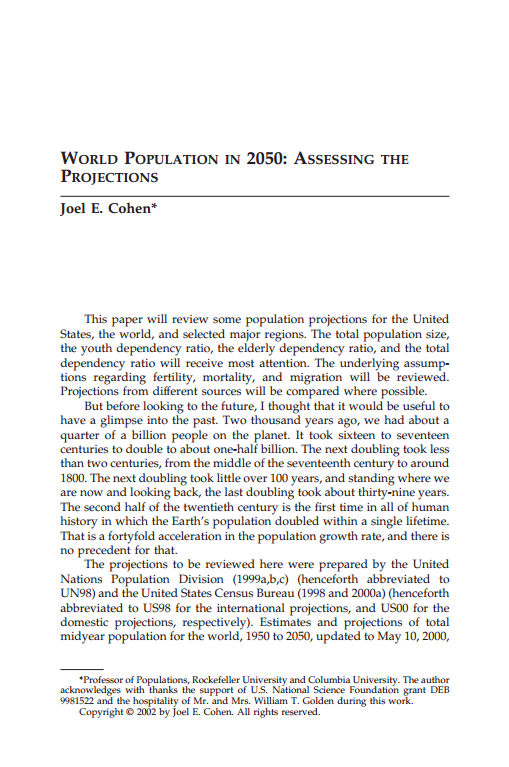
World Population in 2050: Assessing the Projections | Inter American ...
The world's population has been steadily increasing over the centuries, with significant growth spurts during the 19th and 20th centuries. The population grew from an estimated 1 billion in 1800 to 2.5 billion in 1950, and then more than doubled to 5.7 billion by 1995. This rapid growth was driven by improvements in healthcare, sanitation, and nutrition, which led to a decline in mortality rates and an increase in life expectancy.
How Many Countries Are There in World - 2025
Chart: What Will the World Look Like in 2100 | Statista

Current Population Trends

Prime Minister Of Italy 2024 - Jorie Malinda
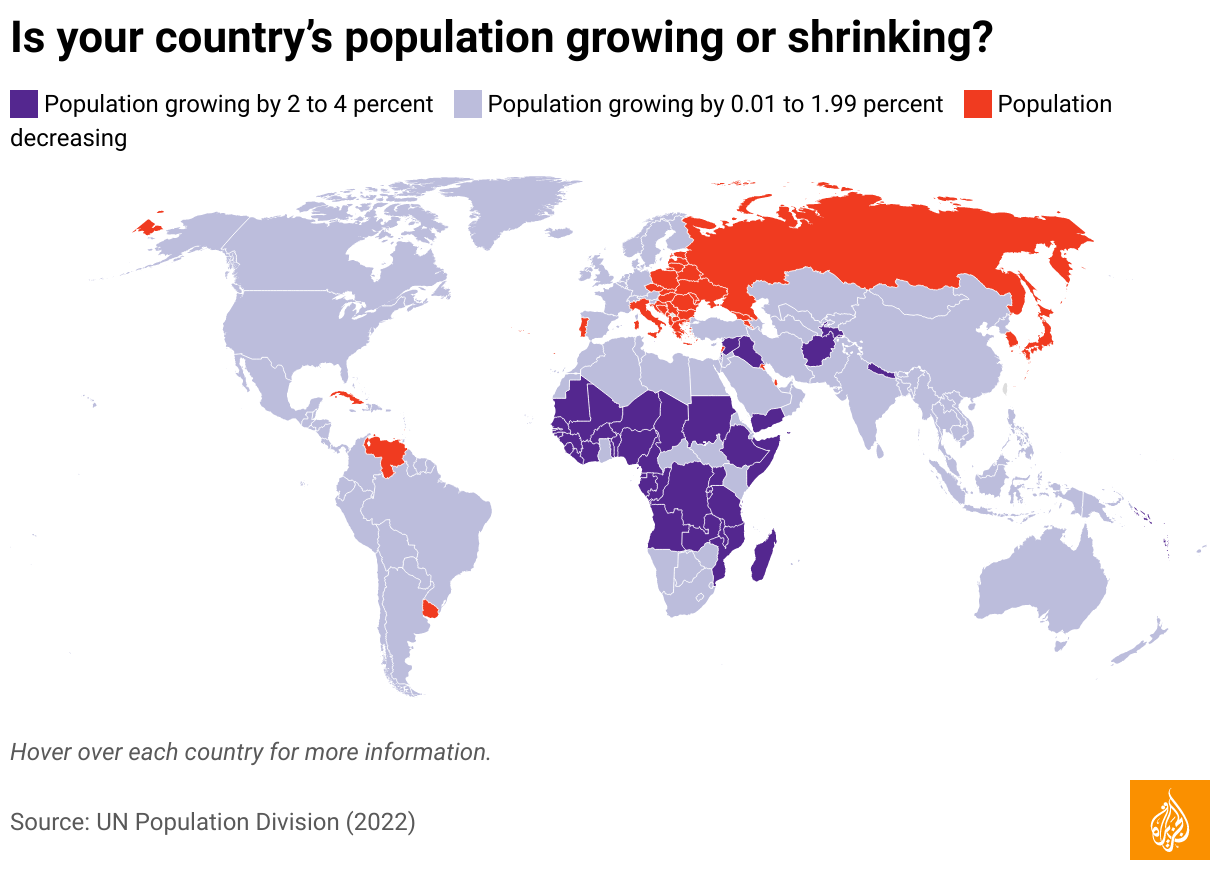
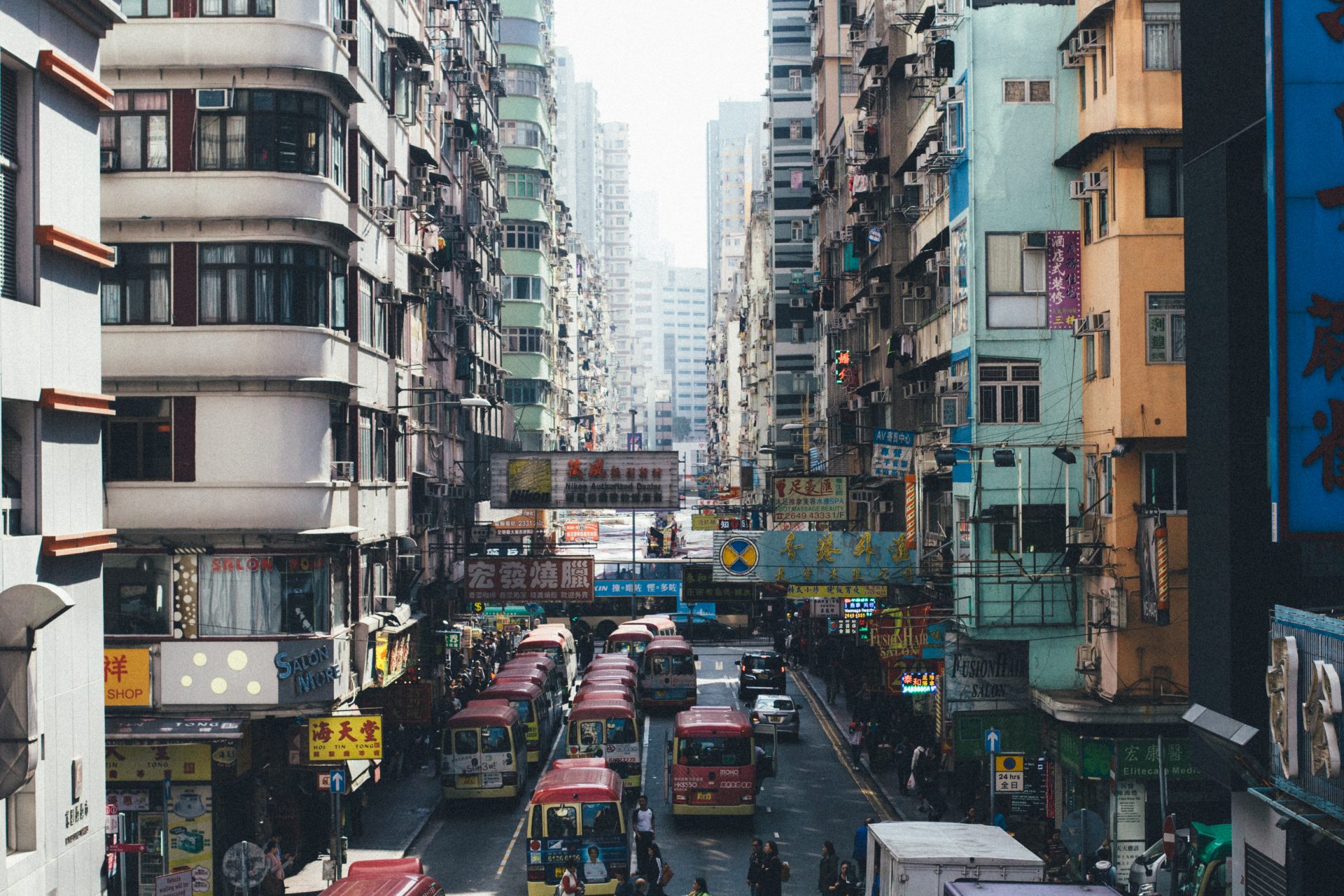
Today, the world's population is characterized by diverse trends and patterns. The population is growing at a rate of 1.09% per annum, with the fastest-growing regions being Africa and Asia. The global population is also becoming increasingly urbanized, with over 55% of people living in cities. This shift towards urbanization is expected to continue, with the UN predicting that 68% of the world's population will live in cities by 2050.
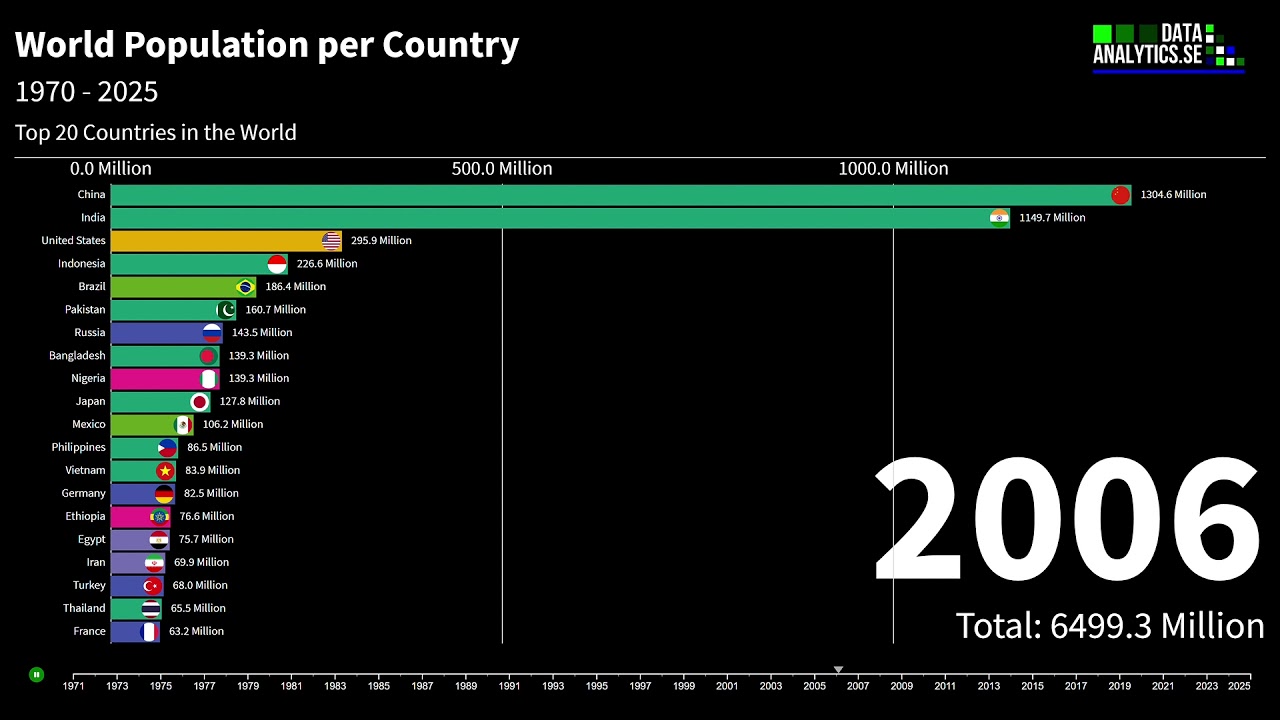
The World Population in 2025 (forecast 2020 - 2025) - YouTube
World Population to Reach 8 Billion by 2025 - NAWRB

Regional Population Breakdown

The world's population is distributed unevenly across different regions. As of 2023, the population breakdown by region is:
  • Africa: 1.3 billion people (17% of the world's population)
  • Asia: 4.6 billion people (58% of the world's population)
  • Europe: 747 million people (9.5% of the world's population)
  • Latin America and the Caribbean: 653 million people (8.3% of the world's population)
  • North America: 582 million people (7.4% of the world's population)
  • Oceania: 43 million people (0.5% of the world's population)
8 miljard mensen en meer op komst... Hoe groot is de wereldbevolking in ...

Challenges and Opportunities

The growing world population presents both challenges and opportunities. On the one hand, a larger population can lead to increased economic growth, innovation, and cultural diversity. On the other hand, it also puts pressure on resources such as food, water, and energy, and can exacerbate issues like climate change, poverty, and inequality. To address these challenges, it's essential to invest in sustainable development, education, and family planning, and to promote policies that support population growth while ensuring the well-being of individuals and the planet. In conclusion, the world's population is a complex and dynamic entity, with diverse trends and patterns shaping its growth and distribution. As we move forward, it's crucial to understand the challenges and opportunities presented by a growing population and to work towards creating a more sustainable and equitable world for all. For more information on the world's population and demographics, visit sciencedigest.org.